
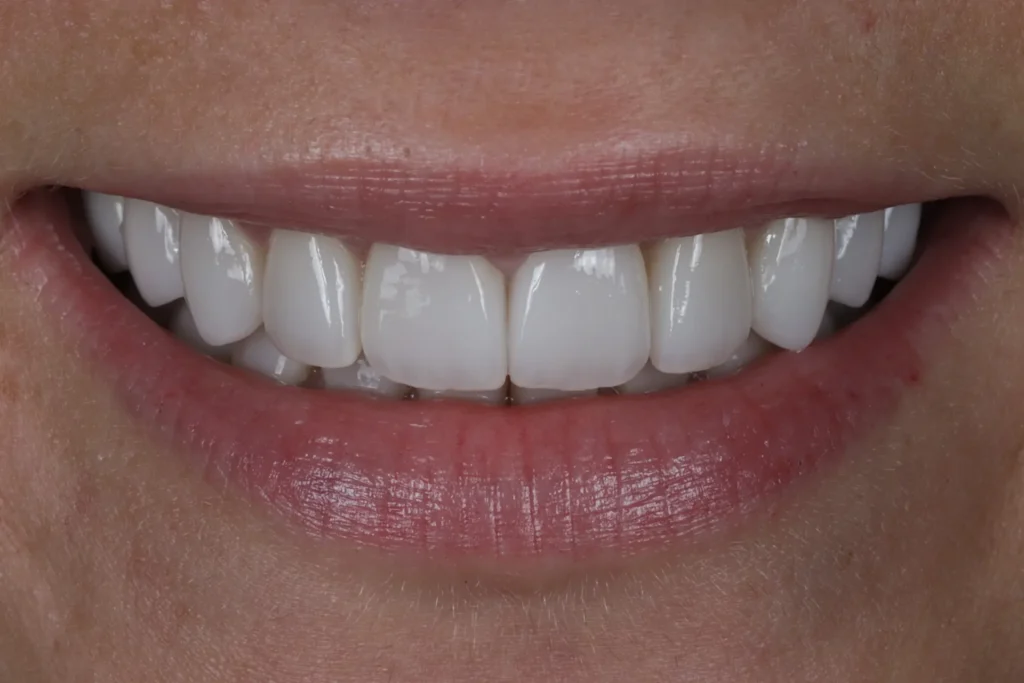
Porcelain veneers at Vigée Dental are typically $2,000 to $2,500 per tooth. Your total depends on how many teeth you treat, which type of veneer suits your teeth and whether you need any care first, and you get a written estimate at your consultation before anything starts.
This guide covers what changes the total, how insurance and financing fit in, and how to think about the cost over the years your veneers last.
Why veneers are priced per tooth
Each veneer is designed for one tooth: its shape, length, shade and the way it meets the teeth beside it. Porcelain veneers are made in a dental lab, so the fee covers planning, lab work and the visits to try in and bond each veneer, not only the material.
That is also why a number you see online rarely matches your plan. Veneer fees across Canada vary from clinic to clinic, and two people at the same clinic can need very different plans. The written estimate based on your own teeth is the number that counts.
What changes the total cost of veneers?
- How many teeth you treat. Some people treat one or two teeth, such as a chipped or discoloured front tooth. Others treat the teeth that show when they smile, so the shade and shape match across the smile.
- Porcelain, composite or no-prep. Porcelain veneers are made in a lab and take two to four visits. Composite veneers are sculpted directly on the tooth. No-prep veneers are thin ceramic shells that need little or no enamel removed, when your teeth allow it. Each type is priced differently, and we compare them for your case at your consultation.
- Care needed first. Veneers do not treat decay, gum disease or bite problems. If you have a cavity, inflamed gums or a bite issue, that is treated first and billed as its own treatment.
- Whitening before veneers. Veneers do not change colour once they are placed. If you want a brighter shade overall, many people whiten their natural teeth first so the veneers can be matched to the new shade.
- Lab work. Porcelain veneers are custom made for colour, translucency and edge detail, and that lab work is part of the fee.
Porcelain vs composite veneers
The type of veneer affects the fee, the number of visits and how long the result lasts. The American Dental Association notes that composite veneers may need less enamel removed and fewer visits, and are easier to fix if damaged, but are not as stain or wear resistant as porcelain.
| Porcelain veneers | Composite veneers | |
|---|---|---|
| How they are made | Custom made in a dental lab | Sculpted directly on the tooth |
| Visits | Two to four | Often one |
| Enamel removed | Usually a light layer, which is permanent | Often less |
| Staining | Resists staining | Can pick up stains over time and can be polished |
| If one chips | May need repair or replacement | Can often be repaired |
| How long they last | About 10 years with good care | Usually need refreshing sooner |
Does insurance cover veneers?
Usually not. Veneers are considered cosmetic, so dental plans rarely cover them unless treatment is deemed medically necessary. Your plan may still cover some of the care you need before veneers, such as a filling or a cleaning, depending on its terms.
Vigée Dental is fee for service. Our team helps you submit claims to your insurer for any treatment your plan may cover, and your written estimate lets you check with your plan before you commit.
Can you finance veneers?
Yes. If you would rather spread the cost, see our financing options. Some people also stage their plan, for example treating gum health and whitening first, then planning veneers once those are done.
The cost of veneers over time
It helps to think of veneers as a long-term choice rather than a one-time purchase. With good care, porcelain veneers last about 10 years, and composite veneers usually need refreshing sooner. Eventually every veneer needs to be replaced, so that future cost is part of the picture. Our guide on how long veneers last covers what shortens or extends their life.
Porcelain veneers usually need a light layer of enamel removed, and that part cannot be undone. Once a tooth has been prepared, it stays covered by a veneer or another restoration for life. That is one reason to plan carefully and to ask whether no-prep veneers suit your teeth.
A few habits protect your investment:
- Brush twice a day and clean between your teeth, since decay can still start at the edge of a veneer.
- Wear a night guard if you clench or grind.
- Do not bite ice, pens, fingernails or packaging.
- Keep your regular cleanings and exams so small problems are caught early.
Is there a smaller treatment that would work?
Sometimes, yes. Veneers are one way to change a smile, not the only one:
- One chip or a small gap. Composite bonding can rebuild a chipped edge or close a narrow space in one visit. Our guide to a gap in the front teeth compares the options.
- Colour only. If you like the shape of your teeth and want them brighter, whitening may be enough.
- Crowding or spacing from tooth position. Clear aligners move the teeth themselves, rather than covering them.
What happens at a veneer consultation
At your consultation we look at your teeth, gums, enamel and bite, talk through what you want to change, and decide together how many teeth and which type of veneer make sense. You leave with a written estimate. Our veneer consultation guide lists good questions to bring. If you want to start from home, you can book a virtual consult first.
At Vigée Dental, Dr. Nicole Robins plans porcelain, composite and no-prep veneers around your teeth, your bite and your goals, and you get a written estimate before any treatment begins. Read more about veneers in Calgary or book a consultation online.
Frequently asked questions
How much are veneers in Calgary?
Porcelain veneers at Vigée Dental are typically $2,000 to $2,500 per tooth. Your total depends on how many teeth you treat, the type of veneer and any care needed first, and we confirm it in a written estimate at your consultation.
Why do veneer prices vary so much?
Fees vary between clinics, and each plan is different. The number of teeth, the material, the lab work and any treatment needed before veneers all change the total.
Does insurance cover veneers?
Usually not, because veneers are considered cosmetic. Your plan may cover related care, such as fillings or cleanings needed first. Our team helps you submit claims for anything your plan may cover.
Do I need veneers on all my teeth?
No. Some people treat one or two teeth. Others treat the teeth that show when they smile so the shade and shape match. We plan the number with you.
How long do porcelain veneers last?
About 10 years with good care. Wearing a night guard if you grind, avoiding hard objects and keeping up with cleanings all help.