
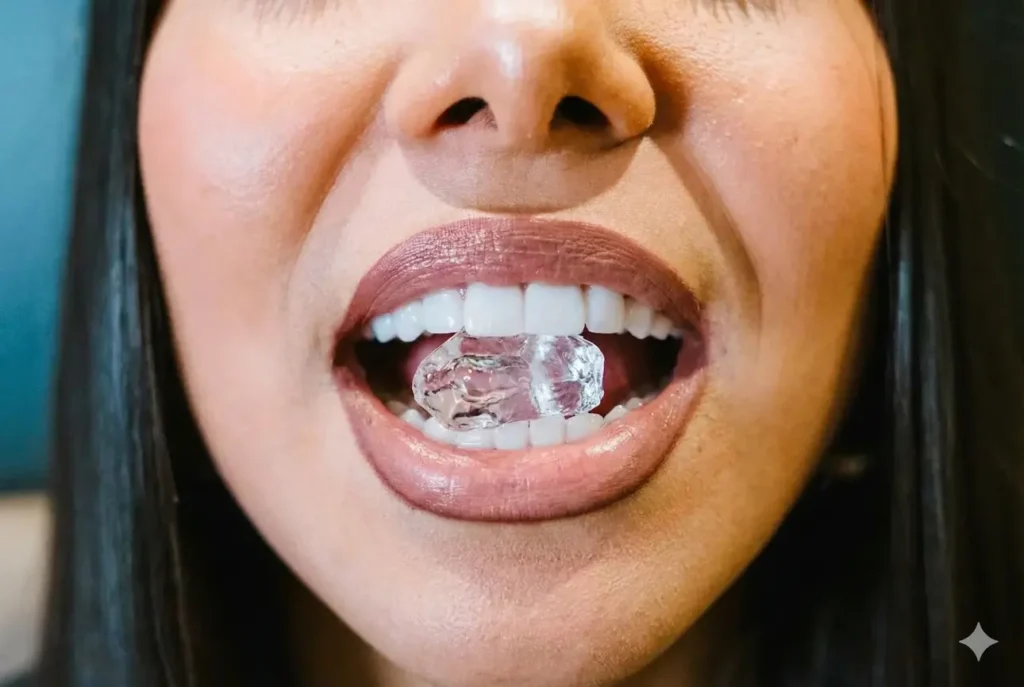
A sharp zing when you sip something cold or breathe in winter air is a common dental complaint, especially in a Calgary January. Usually it is a sign of exposed dentin, and it can be managed. Sometimes it points to something that needs treatment.
Why cold makes teeth hurt
Your teeth have a hard outer layer of enamel. Underneath is dentin, which is full of microscopic tubes that lead towards the nerve. When enamel wears thin or gums pull back, the dentin is exposed. Cold, heat, sweetness or even air can then travel down those tubes and trigger the nerve, causing a short, sharp pain.
Common causes of cold sensitivity
- Enamel erosion. Acidic foods and drinks such as citrus, soda, sparkling water, sports drinks and wine gradually soften and wear enamel. Acid reflux can do the same.
- Gum recession. When gums pull back, the root surface is exposed. Roots have no enamel, so they are especially sensitive.
- Brushing too hard, or with a hard brush, which can wear both enamel and gums.
- Clenching and grinding, which wear teeth and can cause tiny cracks.
- Teeth whitening, which can cause temporary sensitivity that usually settles.
- Recent dental work. New fillings or crowns can be sensitive for a short time.
- Cavities, cracks or worn fillings, which let cold reach the inner tooth.
Short zing or lingering pain?
How long the pain lasts is an important clue.
A sharp twinge that fades within a few seconds once the cold is gone usually means exposed dentin. It is uncomfortable, but it is often manageable.
Pain that lingers for 30 seconds or more after the cold is removed, throbbing pain, or pain that starts on its own can mean the nerve inside the tooth is inflamed. That needs to be checked, as it can be a sign a root canal is needed.
What helps at home
- Desensitising toothpaste. Use it twice a day for at least two weeks. You can also dab a little on the sensitive spot and leave it there before bed. Try not to rinse right after brushing.
- A soft brush and light pressure.
- Limit acidic foods and drinks, or have them with meals rather than sipping throughout the day.
- Use a straw for cold or acidic drinks.
- Wait before brushing after something acidic. Rinse with water first, then brush a little later, so you are not brushing softened enamel.
- Breathe through your nose in very cold air.
When to see a dentist
- Sensitivity that has not improved after two to four weeks of home care
- Pain that lingers, throbs or wakes you at night
- Sensitivity in one specific tooth
- Pain when biting or releasing a bite
- A visible hole, crack or dark spot on a tooth
- Gums that look like they are pulling back
How a dentist treats sensitive teeth
Treatment depends on the cause:
| Cause | Possible treatment |
|---|---|
| Exposed dentin, mild wear | Fluoride varnish or in-office desensitising treatment |
| Exposed roots or notches at the gumline | Bonding or sealing the root surface |
| Clenching or grinding | A custom night guard |
| Cavity or worn filling | A new filling |
| Cracked tooth | Bonding, an onlay or a crown |
| Inflamed nerve | Root canal treatment |
| Significant gum recession | Gum treatment, sometimes a graft |
Protecting your enamel long term
Enamel does not grow back, so protecting it matters. Enamel erosion is often a slow, silent process, and by the time teeth feel sensitive some wear has already happened. A dentist can spot early signs of erosion and wear and help you change the habits behind it before it progresses.
At Vigée Dental, our proactive approach focuses on finding problems like wear, clenching and erosion early, so they can be managed with less invasive treatment. Book an appointment online.
Frequently asked questions
Is tooth sensitivity to cold serious?
Often it is not, and it responds to desensitising toothpaste and gentle brushing. But sensitivity that lingers, is getting worse, or affects one tooth should be checked.
Can sensitive teeth go away?
Yes, sensitivity often improves once the cause is addressed, for example by switching to a soft brush, using desensitising toothpaste or treating a cavity.
Why is only one tooth sensitive to cold?
Sensitivity in one tooth often points to a local cause such as a cavity, a crack, a worn filling or gum recession at that tooth.
Does whitening make teeth sensitive?
It can, temporarily. Sensitivity from whitening usually settles within a few days of finishing treatment.