
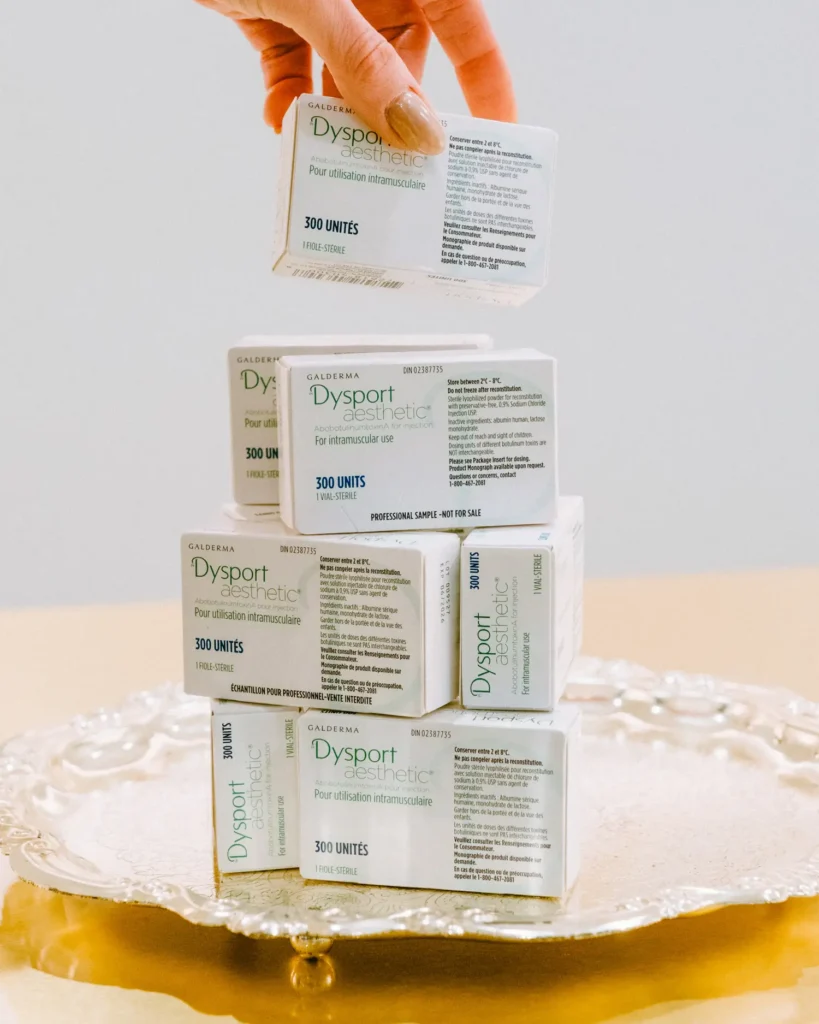
Botox for teeth grinding is a set of small injections into the jaw muscles, usually the masseters, that relaxes them so you clench and grind with less force. It does not cure bruxism, but for many people it eases jaw soreness, tension headaches and muscle tightness for about three to four months at a time.
It is not usually the first treatment a dentist suggests. Here is how it works and how it compares with a night guard.
What Botox does for clenching and grinding
Clenching and grinding, called bruxism, can happen while you are awake or asleep. The muscles doing the work are mainly the masseters, the thick muscles at the back of your jaw that you can feel bulge when you bite down, and the temporalis muscles at your temples.
Botox (botulinum toxin) blocks the nerve signal that tells a muscle to contract. A small, measured dose in the masseter weakens that contraction enough that the muscle cannot clamp down as hard, while you can still talk, smile and chew. Cleveland Clinic notes that the injections temporarily relax the jaw muscles and reduce pain, and that repeat treatments are usually needed every three to four months.
What Botox does not do is change why you grind. Stress, poor sleep, caffeine, alcohol, some medications and your bite can all play a part, so it tends to work well alongside other steps rather than on its own.
Signs you might be a candidate
Botox for clenching is usually considered when grinding is causing real problems and simpler measures have not been enough. It may be worth discussing if you have:
- Sore or tired jaw muscles, especially first thing in the morning
- Tension headaches around the temples that start on waking
- Masseter muscles that feel firm or look enlarged from constant clenching
- Worn, flattened or chipped and cracked teeth, or fillings that keep breaking
- Jaw pain that continues even though you wear a night guard, or a guard you keep wearing through
Clicking, locking or pain in front of the ear can point to a problem with the jaw joint itself. Our guide to TMJ symptoms explains what those signs can mean and why they need a proper assessment first.
Botox vs a night guard
These two treatments do different jobs, which is why they are often used together.
| Night guard | Botox | |
|---|---|---|
| What it is | A custom appliance worn over your teeth while you sleep | Small injections that relax the jaw muscles |
| Protects your teeth | Yes, the guard takes the wear instead of your enamel | Not directly, your teeth can still touch and grind |
| Effect on muscle force | Little, you can still clench into it | Reduces how hard the muscles can clench |
| How long it lasts | Until it wears or needs replacing | About three to four months per treatment |
| Daily effort | Wear it every night and keep it clean | None day to day, with repeat visits |
| Good fit for | Protecting teeth from sleep grinding | Sore, overworked jaw muscles and tension headaches |
A night guard is the usual starting point because it protects your teeth every night. Our post on night guards for teeth grinding covers the types, fit and care. If your teeth are protected but your jaw is still sore, tight or tired, masseter Botox can be added to take some of the load off the muscles.
What to expect at the appointment
Before any injections, you will have an assessment. The dentist will ask about your symptoms and health history, feel the jaw muscles while you clench and look for wear on your teeth.
The injections themselves are quick. A very fine needle places a few small doses into each masseter, and sometimes the temporalis. Many people describe a brief pinch. There is no downtime, so you can usually go straight back to work or your day. You may be asked not to rub or massage the area for the rest of the day.
How long it takes to work and how long it lasts
Botox is not instant. According to Cleveland Clinic, it can take anywhere from a day to a couple of weeks to feel the effect, and for jaw pain it usually lasts about three or four months.
As it wears off, the muscles gradually regain their strength and symptoms can return. Many people book their next treatment around that point. Over repeated treatments, the masseters can become less bulky because they are doing less work, and some people notice a slightly softer jawline as a result.
Side effects and who should wait
Side effects are usually mild and temporary. They can include:
- Tenderness, redness, swelling or a small bruise where the needle went in
- A mild headache
- Jaw fatigue when chewing tough or chewy food for the first few weeks
- Less often, a change in how your smile looks if the product affects nearby muscles, which wears off as the Botox does
Botox is generally not given during pregnancy or breastfeeding, to people with certain nerve and muscle conditions such as myasthenia gravis, or where there is an infection at the injection site. Tell the dentist about all your medications and supplements, including blood thinners, as these can increase bruising.
If you snore, wake up unrefreshed or have been told you stop breathing in your sleep, mention it. Grinding and sleep apnea are linked, and that may need a medical assessment as well.
What the research says
The evidence is encouraging but limited. A 2019 systematic review found that Botox injections reduced how often bruxism episodes happened and the pain linked to them, and described the effect as temporary. The authors also noted that the studies were small and called for longer, well controlled trials.
In practice, that makes Botox a reasonable option for people with significant muscle symptoms, used together with a night guard and habit changes rather than as a standalone cure.
At Vigée Dental, Dr. Nicole Robins provides TMJ Botox to relax the jaw muscles in people who clench and grind, and we recommend a custom nightguard to protect your teeth. The effect of TMJ Botox typically lasts three to four months. You can learn more on our Botox page or book an assessment online.
Frequently asked questions
Does Botox stop teeth grinding?
It reduces how hard the jaw muscles can clench and, in some studies, how often grinding episodes happen. It does not cure bruxism, and your teeth can still touch, which is why a night guard is often recommended as well.
How often do I need Botox for teeth grinding?
The effect typically lasts about three to four months, so treatment is usually repeated around then if it is helping. Timing varies from person to person.
Will Botox in my jaw change my face shape?
With repeated treatment, the masseter muscles can become smaller, which can make the lower face look slightly slimmer. The change is gradual and reverses over time if you stop.
Can I get Botox instead of a night guard?
You can discuss it, but Botox relaxes the muscles rather than shielding your teeth. A night guard protects enamel from wear, so many people use both.
Is Botox for teeth grinding covered by insurance?
It depends on your plan. Cost is confirmed at your consultation, our team can help you submit a claim, and financing options are available.